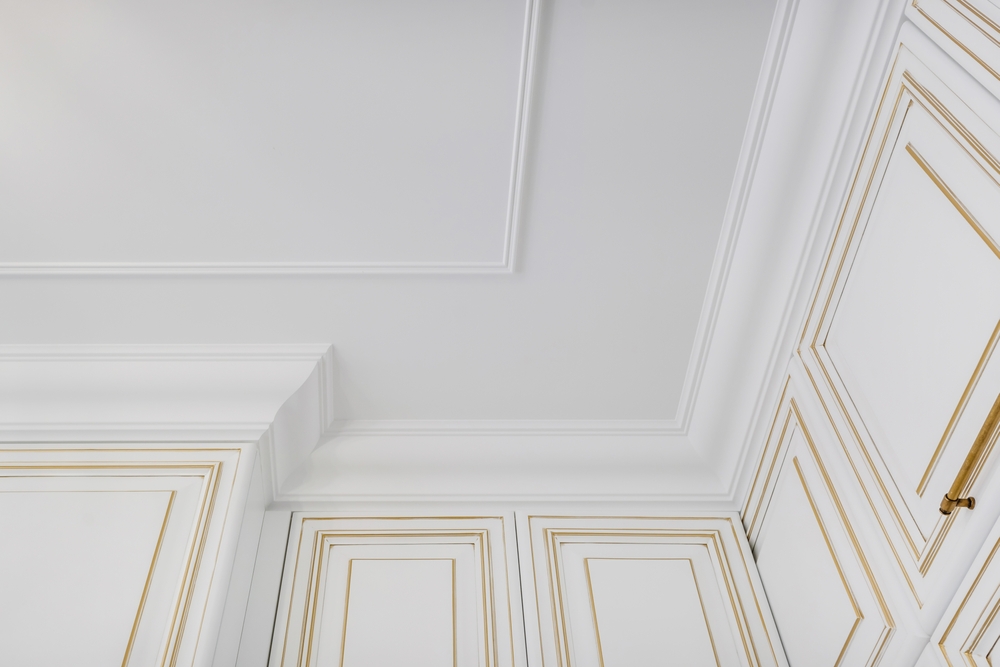
Wainscoting adds architectural character, visual interest, and practical wall protection to any room in your home. From formal dining rooms to casual mudrooms, the right wainscoting style can transform plain walls into elegant design features while protecting vulnerable areas from scuffs, dents, and everyday wear.
Understanding Wainscoting Styles
Raised Panel Wainscoting
Raised panel wainscoting features panels that project outward from the surrounding frame, creating dimensional depth and shadow lines. This traditional style originated in colonial America and remains the hallmark of formal dining rooms and studies. The complex construction requires precision carpentry, making it the most expensive option but also the most impressive.
Raised panel wainscoting typically covers the lower third of the wall (32 to 36 inches) and costs to per square foot for quality materials. Professional installation adds another to per square foot, making this a significant investment that substantially increases home value.
Flat Panel or Recessed Panel
Flat panel wainscoting features panels that sit flush with or slightly behind the surrounding stiles and rails. This cleaner look suits transitional and contemporary interiors better than raised panels while still providing the classic divided-panel aesthetic. Shaker-style and craftsman homes often feature flat panel wainscoting throughout.
Beadboard
Beadboard consists of vertical planks with a distinctive routed groove (the bead) between each board. This cottage-style wainscoting adds casual charm to kitchens, bathrooms, mudrooms, and bedrooms. Modern beadboard panels simplify installation by combining multiple planks into four-by-eight sheets, making this an accessible DIY project.
Beadboard costs to per square foot for materials, depending on whether you choose individual boards, sheets, or premium hardwood. Its affordability and ease of installation make it the most popular wainscoting choice for DIY homeowners.
Board and Batten
Board and batten wainscoting uses wide vertical boards with narrow strips (battens) covering the seams. This bold, geometric look works well in modern farmhouse, transitional, and even minimalist interiors. The simplicity of board and batten makes it one of the easiest wainscoting styles to install.
Picture Frame Wainscoting
Picture frame wainscoting applies molding directly to walls in rectangular patterns without actual panels. This cost-effective approach creates the look of traditional wainscoting using only paint-grade lumber and standard wall surfaces. Picture frame molding works particularly well in contemporary spaces and can be scaled to any wall height.
Choosing the Right Height
Traditional wainscoting covers the lower third of the wall, typically 32 to 36 inches. Chair rail height (about 32 inches) protects walls from furniture backs. In rooms with tall ceilings, taller wainscoting (up to 48 inches or higher) can create dramatic effect. Full-height wainscoting extending to ceiling height works beautifully in libraries, home offices, and formal spaces.
Material Considerations
Paint-grade MDF and poplar are popular choices for painted wainscoting, offering smooth surfaces and lower costs than hardwoods. For stained finishes, oak, cherry, or maple provide beautiful grain patterns. In moisture-prone areas like bathrooms, use PVC or composite materials that resist humidity and water damage.
Installation Tips
Successful wainscoting installation requires precise measurements and careful layout planning. Start by marking level lines around the room at your desired height. Install a cap rail first, then work down with panels and base trim. Fill nail holes, caulk seams, and apply primer before final paint for a professional finish.

Subscribe for Updates
Get the latest articles delivered to your inbox.
We respect your privacy. Unsubscribe anytime.