Replacing interior doors is one of the most impactful home improvements you can make with a relatively modest investment. Outdated hollow-core doors, damaged surfaces, or simply mismatched styles throughout your home can all be addressed with this manageable DIY project that delivers immediate visual improvement.
Types of Interior Doors
Hollow-Core Doors
Hollow-core doors consist of a thin veneer skin over a cardboard honeycomb interior. They are the most affordable option at to per door but offer minimal sound insulation and can be easily damaged. Hollow-core doors suit closets and utility spaces where cost matters more than performance.
Solid-Core Doors
Solid-core doors feature a composite wood fiber core covered with veneer, offering substantial sound dampening and a more substantial feel when opened and closed. Priced at to per door, solid-core is the most popular choice for bedrooms and bathrooms where privacy and sound reduction matter.
Solid Wood Doors
Solid wood doors provide the ultimate in quality, durability, and sound insulation. Made from hardwoods like oak, maple, or mahogany, these doors can cost to ,000 or more depending on species and design complexity. Solid wood doors are ideal for visible locations like front-facing rooms and home offices.
Panel Configurations
Interior doors come in various panel configurations, from simple flush designs to elaborate six-panel traditional styles. Two-panel doors suit craftsman and contemporary homes, while six-panel doors complement colonial and traditional architecture. Shaker-style doors with clean rectangular panels have become increasingly popular for their versatility across design styles.
Prehung vs Slab Doors
Prehung Doors
Prehung doors come already mounted in a frame with hinges attached. They simplify installation when replacing damaged frames or adding doors to new openings. Prehung doors cost more but save significant time and ensure proper door-to-frame alignment.
Slab Doors
Slab doors are just the door itself without frame or hinges. If your existing frames are in good condition, slab replacement saves money and requires less work. However, you will need to precisely locate hinge mortises and handle bores to match your existing hardware.
Measuring for Replacement
Accurate measurement is critical for successful door replacement. Measure the existing door height, width, and thickness. Standard interior doors are one and three-eighths inches thick, but older homes may have different dimensions. For prehung installations, measure the rough opening width and height to ensure proper fit.
Installation Steps
For slab door installation, begin by transferring hinge locations from your old door to the new one. Use a sharp chisel to cut hinge mortises to the proper depth. Install hinges on the door, then hang the door in the frame. Adjust hinges as needed for proper swing and closure, then install door hardware.
For prehung doors, remove the existing door and frame completely. Position the new prehung unit in the opening, shimming as needed to achieve level and plumb. Secure through shims into studs, then check operation before trimming shims and applying casing.
Hardware Considerations
Door hardware significantly impacts the overall appearance of your door replacement project. Match hardware finishes throughout your home for a cohesive look – oil-rubbed bronze, satin nickel, and matte black are currently popular choices. Consider upgrading to privacy locks for bedrooms and bathrooms, passage knobs for closets, and dummy knobs for decorative French doors.
Finishing and Painting
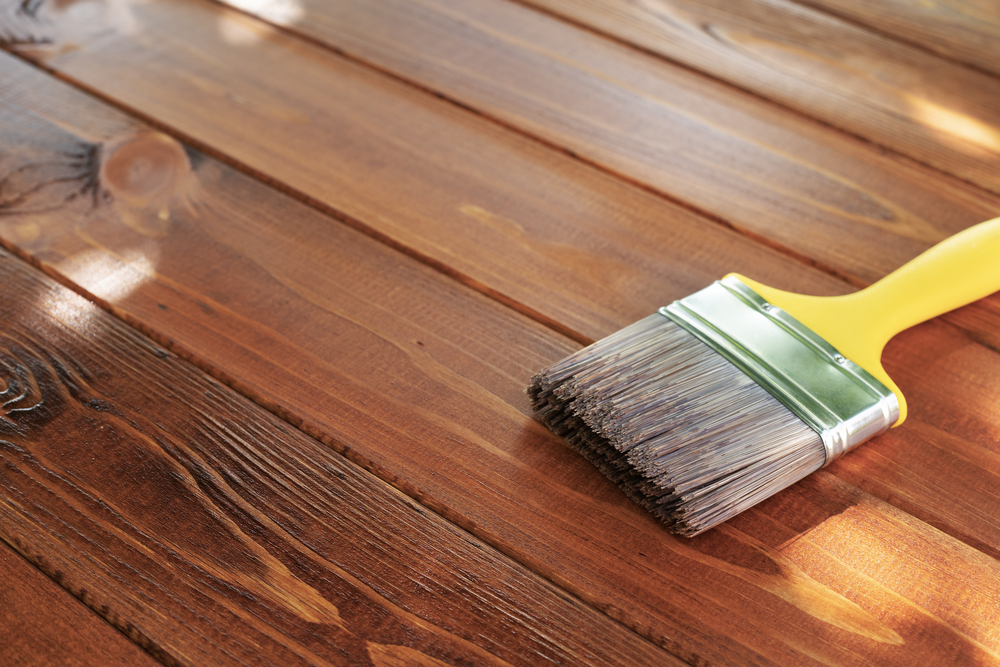
Most replacement doors come primed and ready for paint, though stain-grade doors require sanding and staining before clear coating. Apply two coats of quality interior paint, allowing adequate drying time between coats. Paint doors in a horizontal position when possible to minimize drips and achieve even coverage.

Subscribe for Updates
Get the latest articles delivered to your inbox.
We respect your privacy. Unsubscribe anytime.