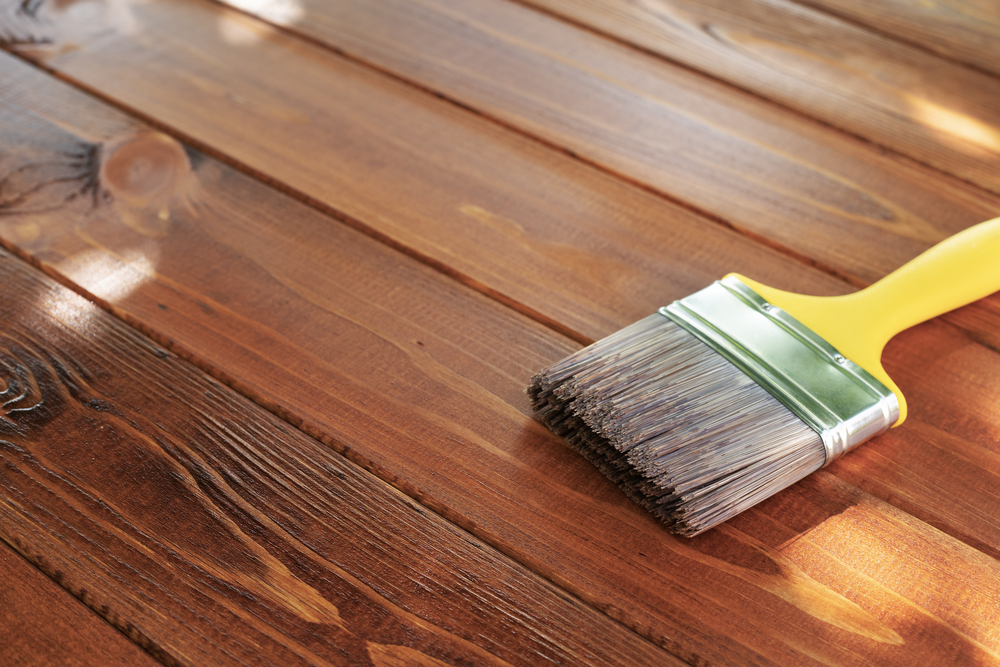
A well-coated garage floor transforms this utilitarian space from a dingy afterthought into a clean, durable extension of your living area. Whether you use your garage for parking, as a workshop, or as a home gym, the right floor coating protects your concrete, resists stains, and makes cleaning effortless.
Types of Garage Floor Coatings
Epoxy Coatings
Epoxy remains the gold standard for garage floor coatings, offering exceptional durability, chemical resistance, and a glossy finish that brightens any space. True epoxy is a two-part system that chemically bonds to properly prepared concrete, creating a surface that withstands hot tire pickup, oil drips, and heavy equipment.
Professional epoxy installation typically costs to per square foot, while quality DIY kits run to for a two-car garage. However, DIY epoxy requires meticulous preparation and proper temperature and humidity conditions for success.
Polyurea and Polyaspartic Coatings
These advanced coatings cure faster than epoxy and can be applied in a wider range of temperatures, making them increasingly popular for professional installations. Polyurea coatings offer superior flexibility, UV resistance, and chemical resistance compared to epoxy, though they come at a premium price – typically to per square foot professionally installed.
Acrylic Sealers
Acrylic sealers provide basic protection at the lowest cost, typically /bin/zsh.15 to /bin/zsh.25 per square foot. They penetrate the concrete surface rather than forming a thick coating, making them easier to apply but less durable than epoxy or polyurea. Acrylic sealers work well for low-traffic areas or as a temporary solution.
Concrete Stains
Acid-based and water-based concrete stains add color without building up a film on the surface. They create unique, variegated patterns that mimic natural stone and require a sealer topcoat for protection. Staining is an excellent choice for decorative applications but provides less protection than film-forming coatings.
Surface Preparation Is Critical
The success of any garage floor coating depends almost entirely on proper surface preparation. Concrete must be clean, dry, and properly profiled to accept coatings. This typically involves degreasing, etching with acid or mechanical grinding, and addressing any cracks or spalling.
Most DIY coating failures result from inadequate preparation rather than product quality. If your concrete has been previously sealed or painted, you will need to remove the existing coating or use a specialty primer designed for challenging surfaces.
The Application Process
Temperature and humidity significantly affect coating application and cure times. Most epoxy products require temperatures between 50 and 90 degrees Fahrenheit with humidity below 85 percent. Plan your project for optimal weather conditions and allow adequate cure time before driving on the surface – typically 24 to 72 hours for foot traffic and 5 to 7 days for vehicles.
Maintenance and Longevity
Quality coatings with proper application can last 15 to 20 years or more. Maintain your coated floor by sweeping regularly, promptly cleaning spills, and avoiding dragging sharp or heavy objects across the surface. Periodic damp mopping with a neutral pH cleaner keeps the surface looking new.


Subscribe for Updates
Get the latest articles delivered to your inbox.
We respect your privacy. Unsubscribe anytime.