Attic insulation is one of the most cost-effective home improvements you can make, often paying for itself through energy savings within just a few years. Understanding your insulation options helps you choose the right material and approach for your home’s specific needs and your budget.
Why Attic Insulation Matters
Heat naturally moves from warmer areas to cooler ones, and your attic is the primary escape route for conditioned air. In winter, heated air rises and escapes through inadequate attic insulation. In summer, a poorly insulated attic absorbs solar heat and radiates it into your living space, forcing your air conditioner to work overtime. Proper insulation creates a thermal barrier that keeps your home comfortable year-round while reducing energy costs.
Understanding R-Values
Insulation effectiveness is measured in R-value, indicating resistance to heat flow. Higher R-values mean better insulating performance. The Department of Energy recommends R-38 to R-60 for most attic spaces, depending on your climate zone. Northern climates need higher R-values, while southern regions may perform well with R-30 to R-38.
Popular Attic Insulation Types
Fiberglass Batts
The familiar pink or yellow fiberglass batts remain the most common attic insulation choice. Available in pre-cut widths to fit standard joist spacing, batts are relatively easy to install between exposed joists. Fiberglass batts typically provide R-2.9 to R-3.8 per inch and cost /bin/zsh.50 to .50 per square foot for DIY installation.
The main limitation of batts is that they require cutting around obstacles and cannot fill irregular spaces, leaving gaps that reduce overall effectiveness. For this reason, batts work best in unobstructed attic floors with standard joist spacing.
Blown-In Fiberglass
Loose-fill fiberglass can be blown into attic spaces to fill every gap and irregular area. It provides R-2.2 to R-2.7 per inch and conforms to any shape, making it more effective than batts in complex spaces. Many home improvement stores rent blowing machines free with insulation purchase, making this a viable DIY option.
Blown-In Cellulose
Made from recycled paper treated with fire retardants, cellulose insulation is an environmentally friendly option that provides R-3.2 to R-3.8 per inch. Cellulose fills spaces densely and resists air movement better than fiberglass. It is particularly effective for adding insulation over existing materials and settling into tight spaces around wiring and pipes.
Spray Foam Insulation
Closed-cell spray foam provides the highest R-value per inch (R-6 to R-7) and creates an air barrier along with thermal insulation. Open-cell foam offers R-3.5 to R-4.5 per inch at a lower cost. Spray foam is excellent for sealing air leaks but requires professional installation and costs significantly more than traditional insulation – typically to per square foot for open-cell and .50 to .50 for closed-cell.
Installation Considerations
Before adding attic insulation, address any air leaks around light fixtures, plumbing penetrations, ductwork, and attic access points. Air sealing dramatically improves insulation effectiveness and should always precede insulation installation. Also ensure adequate ventilation remains after insulating – soffit and ridge vents must stay clear to prevent moisture problems.
Safety Precautions
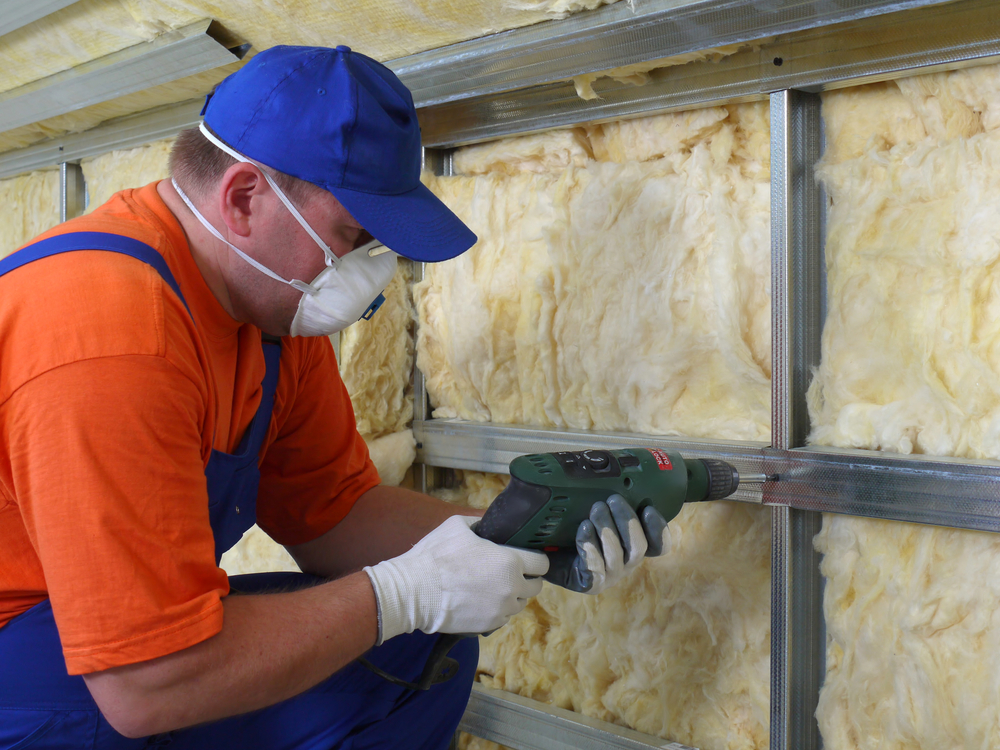
Wear protective equipment including a dust mask or respirator, safety glasses, gloves, and long sleeves when working with any insulation material. Work on sturdy boards across joists rather than stepping on ceiling drywall. Avoid compressing insulation, as this reduces its R-value significantly.

Subscribe for Updates
Get the latest articles delivered to your inbox.
We respect your privacy. Unsubscribe anytime.