Why Mudrooms Move Houses
Real estate agents have a saying: kitchens sell houses, but mudrooms clinch the deal. After watching buyers tour hundreds of homes, I’ve seen this play out repeatedly. A well-designed mudroom creates an emotional response that transcends its square footage.
But not every mudroom design resonates. Some get photographed for listing pages. Others get walked through and forgotten. The difference lies in specific design choices that signal function, quality, and lifestyle.
The Drop Zone Principle
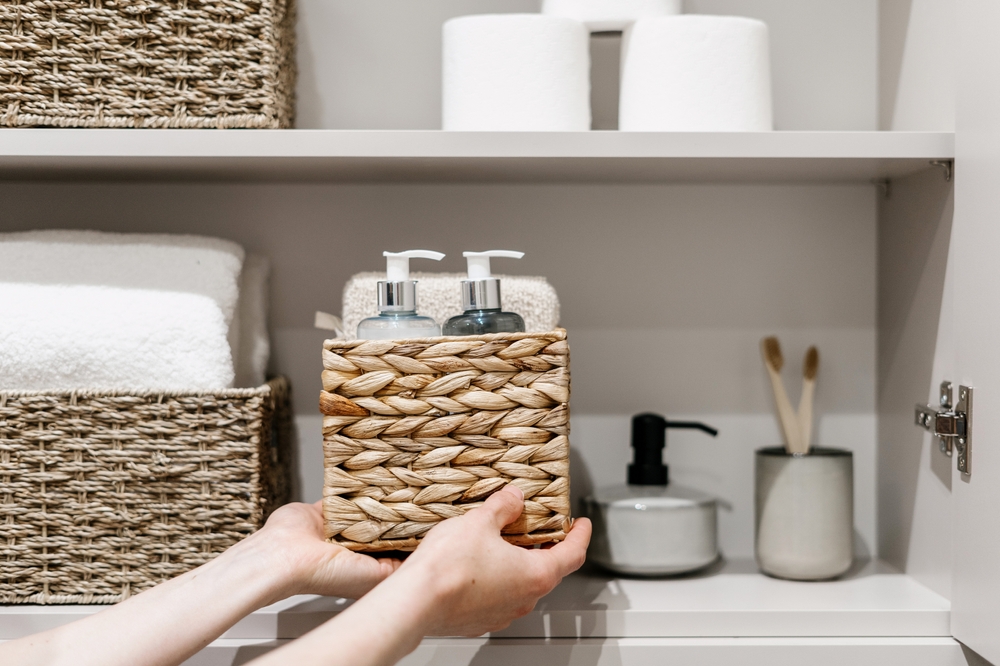
Every effective mudroom starts with the drop zone: a designated spot where the daily carry—keys, bags, mail, phones—lands immediately upon entry. This isn’t a shelf; it’s a system. Cubbies with specific purposes, hooks at multiple heights, and a charging station all communicate that this space was designed intentionally.
Buyers notice when a mudroom solves problems they currently fight daily. If they’re dropping backpacks on kitchen chairs and searching for keys every morning, a mudroom with labeled cubbies feels like a gift.
The ideal drop zone includes a small tray or bowl for keys and pocket items, a mail sorting station with slots for each family member, a dedicated phone and device charging area with hidden outlets, and a hook or small basket for sunglasses and frequently grabbed items. Each element should be within arm’s reach of the entry point.
Design Features Buyers Love
Built-in lockers with names or initials immediately capture attention. Buyers mentally assign each locker to a family member before they’ve finished the tour. This visualization technique—seeing themselves living in the space—is exactly what sells homes.
Boot trays with drainage grids show practical thinking. Pet washing stations with handheld sprayers demonstrate luxury and foresight. Hidden hampers for sports gear solve a problem most families struggle with daily. Pull-out drawers for seasonal accessories like gloves, hats, and scarves keep clutter contained.
These features transform a mudroom from storage to lifestyle statement. Buyers photograph them. They mention them to their agents. They remember them when comparing properties.
Storage Solutions That Work
Effective mudroom storage operates on three levels. Upper storage—cabinets or high shelves—handles seasonal items used infrequently: holiday decorations, camping gear, off-season sports equipment. Middle storage—open cubbies, hooks, and accessible shelving—manages daily items that need grabbing in seconds. Lower storage—pull-out drawers, boot benches, and floor-level cubbies—organizes footwear and bags.
The best mudrooms dedicate 12-18 inches of linear space per person. For a family of four, that means 4-6 feet of organized storage minimum. Anything less creates bottlenecks; anything more risks the space feeling warehouse-like.
Consider these specific storage solutions: upper cabinets 12 inches deep for baskets and bins, open cubbies 15 inches wide by 15 inches tall for backpacks, hooks mounted at 48 inches for adult coats and 36 inches for children’s jackets, and pull-out shoe drawers angled at 15 degrees for visibility.
Durability That Shows
Tile or luxury vinyl flooring rated for commercial traffic. Beadboard or tile wainscoting at least 40 inches high. Bench seats with wipeable cushions. Closed storage below and open hooks above.
These choices telegraph that the space handles real life. Muddy boots. Wet umbrellas. Snowy winter gear. Buyers with kids or pets immediately understand the value; they’ve lived without it.
Flooring That Survives Everything
The mudroom floor takes more abuse per square foot than any other surface in your home. Select materials that can handle it without showing wear.
Porcelain tile rated PEI Class 4 or 5 handles high traffic and resists scratches from grit tracked in on shoes. Large format tiles (12×24 or larger) minimize grout lines where dirt collects. Slate and textured surfaces hide scratches and scuffs better than polished finishes.
Luxury vinyl plank (LVP) offers warmth and comfort underfoot that tile can’t match. Look for wear layers of 20 mil or higher and waterproof core construction. Quality LVP costs $3-6 per square foot and installs easily over existing floors.
Avoid carpet, hardwood, and laminate—none survive the moisture and abrasion a mudroom dishes out.
Bench and Hook Placement
Mudroom ergonomics matter more than aesthetics. A bench at the wrong height frustrates users daily; hooks placed without thought create tangled chaos.
Bench height should be 17-19 inches—standard chair height that allows comfortable seating while removing boots. Bench depth of 16-20 inches accommodates sitting without blocking walkways. Include a lip or rail along the back if the bench sits against hooks; it prevents coats from bunching.
Hook placement follows specific rules: the primary row at 48-54 inches serves adults; a secondary row at 36 inches accommodates children and shorter family members. Space hooks 8-10 inches apart for coats or 4-6 inches for lighter items like bags and hats. Double-prong hooks support heavy winter coats without sliding.
Lighting That Elevates
Most mudrooms suffer from inadequate lighting—a single overhead fixture casting shadows exactly where you need to see. The mudrooms that photograph well (and function well) include task lighting above the mirror, interior cabinet lighting, and natural light from a window or glass door panel.
Lighting distinguishes a mudroom from a cluttered back hallway. It says someone cared about this space.
For ambient lighting, recessed cans or a flush-mount fixture providing 30-50 foot-candles of general illumination work well. For task lighting, consider LED strip lights inside cabinets and under upper storage, plus a wall sconce flanking any mirror. If possible, maximize natural light with a sidelight, transom, or glass panel in the entry door.
Smart lighting upgrades add convenience: motion sensors that illuminate the space when the door opens, dimmer controls for nighttime entry, and smart bulbs that integrate with home automation systems.

The Transition Experience
The best mudrooms create a psychological transition between outside and inside. You enter, shed your gear, check your appearance, and emerge into the home ready to be present. This sounds abstract, but it’s tangible when executed well.
A bench invites you to sit and remove shoes. A mirror lets you check your hair. Hooks accept coats at the natural motion level. Storage conceals the chaos you’re leaving behind. The sequence feels choreographed.
ROI on Mudroom Improvements
A thoughtfully designed mudroom typically costs $3,000-8,000 for materials and installation, depending on finishes. Against a home sale price, this investment returns 50-80% directly and contributes to the overall impression that the home was maintained and updated by someone who understood what mattered.
Breaking down the investment: custom built-in lockers run $1,500-3,000, quality flooring installation costs $500-1,500 for a typical 40-60 square foot space, a built-in bench with storage underneath adds $800-1,500, and upgraded lighting with fixtures and installation runs $300-600.
Homes with well-designed mudrooms spend fewer days on market and often receive multiple offers. The ROI isn’t just financial—it’s competitive advantage in a crowded market.
If you’re selling in the next five years, the mudroom upgrade should be on your list. The investment pays dividends in daily livability now and sale price later.

Subscribe for Updates
Get the latest articles delivered to your inbox.
We respect your privacy. Unsubscribe anytime.