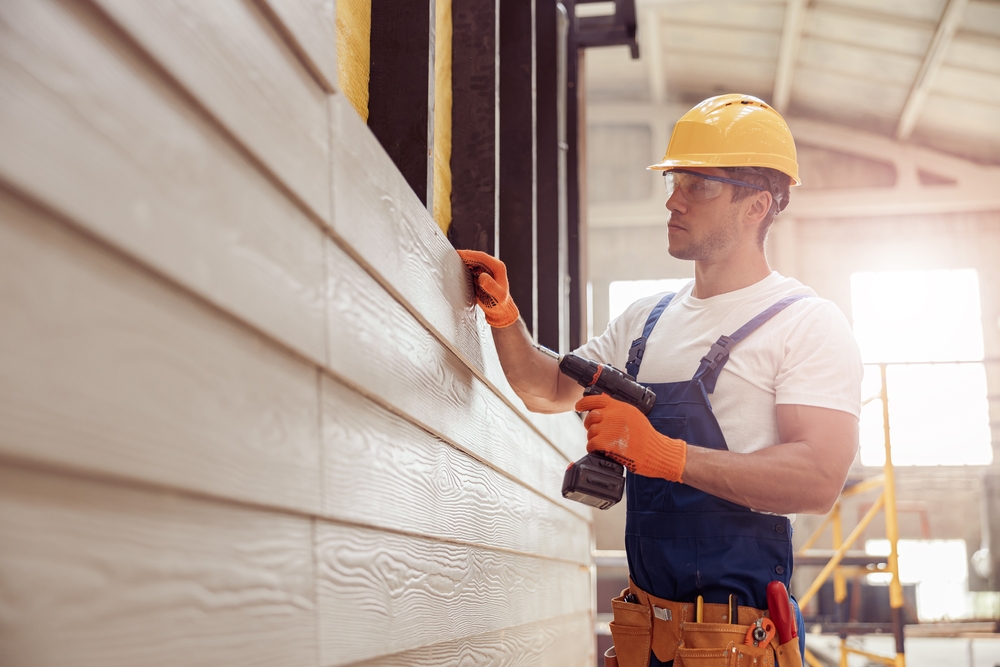
Understanding Exterior Trim Rot Before Choosing Replacements
Rotting exterior trim isn’t just an eyesore—it’s an invitation for water damage, insects, and structural problems that compound exponentially. I’ve seen homeowners ignore soft fascia boards for years, only to discover they needed full soffit replacement and pest remediation costing ten times what trim repair would have.
But here’s the question that matters: when you replace that rotting trim, what material should you choose? The three contenders—PVC, composite, and wood—each have legitimate advantages and serious drawbacks.
PVC Trim: The Waterproof Option
Cellular PVC trim (brands like AZEK, Versatex, and Kleer) is completely waterproof. It won’t rot, period. For areas constantly exposed to moisture—near downspouts, at ground level, around windows—PVC is the logical choice.
The downsides? PVC expands and contracts significantly with temperature changes. Install it on a hot day without proper gapping, and you’ll see buckling. It also scratches more easily than wood and doesn’t hold paint quite as well, though modern primers have improved this considerably.
Cost runs 30-50% higher than similar wood profiles, but you’ll never replace it due to rot.
Composite Trim: The Middle Ground
Composite materials like LP SmartSide and James Hardie trim boards blend wood fibers with binding agents and protective coatings. They machine like wood, hold paint beautifully, and resist rot far better than natural lumber.
However, composite isn’t waterproof—just water-resistant. Cut ends must be sealed, and prolonged exposure to standing water will eventually cause problems. For horizontal surfaces where water pools, composite underperforms PVC.
Composite costs roughly 20% more than wood but less than PVC. Many builders consider it the sweet spot for most applications.
Wood: Still Makes Sense Sometimes
Premium wood species like cedar, redwood, and properly treated clear pine remain viable options, especially for historic homes or where matching existing millwork matters. Modern pressure-treated trim resists rot better than untreated lumber ever could.
The catch is maintenance. Wood trim needs paint or stain refreshed every 5-7 years, and even with that maintenance, vulnerable locations will eventually fail. If you choose wood, budget for ongoing upkeep and accept that future replacement is inevitable.
My Installation Recommendations
Use PVC for any trim within 12 inches of grade, around all windows and doors, and anywhere water regularly contacts the surface. Use composite for fascia, rake boards, and corner trim in protected areas. Consider wood only when aesthetics demand it and you’re committed to maintenance.
Whatever you choose, the key to longevity is proper installation: adequate caulking at joints, correct fastening patterns, and flashing behind all horizontal surfaces. Material choice matters, but installation quality matters more.
Don’t let another year pass with rotting trim. The repair only gets more expensive the longer you wait.

Subscribe for Updates
Get the latest articles delivered to your inbox.
We respect your privacy. Unsubscribe anytime.