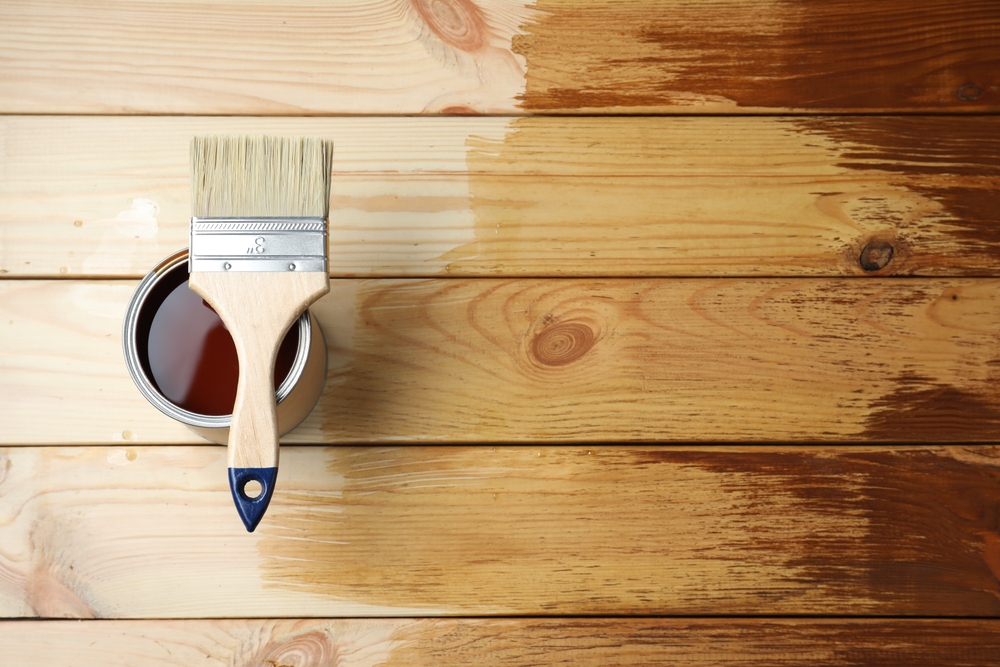
Refinishing hardwood floors is one of the most rewarding home improvement projects, transforming worn, scratched, or outdated flooring into beautiful surfaces that look brand new. While the work is labor-intensive, the results justify the effort, and DIY refinishing can save thousands compared to professional services.
Assessing Your Floors
Before starting, determine whether your floors can be refinished. Solid hardwood floors can typically be sanded and refinished multiple times throughout their lifespan. Engineered hardwood with a veneer thicker than 2 millimeters can usually be refinished once or twice. Laminate and vinyl flooring cannot be refinished at all.
Check for wear indicators by examining a floor register or threshold transition. Measure the wood thickness above the tongue to estimate how much material remains for sanding. Most solid hardwood floors have one-quarter inch of wood above the tongue, allowing for multiple refinishing cycles.
Tools and Equipment
Sanding Equipment
Drum sanders handle the main floor area, removing old finish and flattening the surface. Edgers reach areas the drum sander cannot access along walls and in corners. Random orbital sanders provide finer finishing passes. Most home improvement centers rent these tools for to per day.
Budget for multiple sandpaper grits: start with 36 or 40 grit for heavy finish removal, progress to 60 and 80 grit for smoothing, and finish with 100 or 120 grit before staining. Expect to use 20 to 30 sheets of each grit for an average-sized room.
Safety Equipment
Refinishing creates significant dust even with sanding equipment dust collection. Wear an N95 or P100 respirator, safety glasses, and hearing protection. Seal doorways with plastic sheeting to contain dust and turn off HVAC systems to prevent dust distribution throughout your home.
The Sanding Process
Preparation
Remove all furniture, window treatments, and floor registers. Set protruding nails below the surface using a nail set. Fill large gaps and damaged areas with wood filler appropriate for your finish type. Seal HVAC vents and tape off doorways.
Sanding Technique
Begin with the drum sander running parallel to the wood grain, starting at one wall and walking backward steadily across the room. Overlap each pass by about three inches. Never stop the sander while it is in contact with the floor, as this creates gouges.
After completing the first grit, use the edger along walls and in corners. Progress through each grit level with both machines before moving to the next. Vacuum thoroughly between grits to remove dust that could scratch the surface.
Staining and Finishing
Stain Application
If you want to change or enhance the wood color, apply oil-based wood stain after final sanding and thorough vacuuming. Work in manageable sections, applying stain liberally with a brush or applicator, then wiping excess in the direction of the grain. Allow 24 hours drying time before applying finish.
Finish Options
Oil-based polyurethane provides durable, amber-toned protection and remains the most popular choice. Water-based polyurethane dries clearer and faster but may require more coats. Penetrating oil finishes soak into the wood rather than forming a film, offering a natural look that is easier to spot-repair.
Finish Application
Apply polyurethane with a lambswool applicator or synthetic pad, working with the grain in thin, even coats. Allow adequate drying between coats – typically 4 to 8 hours for water-based products and 24 hours for oil-based. Lightly sand between coats with 220-grit sandpaper or a fine sanding screen. Three coats provide optimal durability for most applications.
Timeline and Drying
Plan for 4 to 7 days for a complete refinishing project: 2 to 3 days for sanding, 1 day for staining, and 2 to 3 days for finish coats. Wait at least 72 hours after the final coat before walking on floors with socks and 7 days before replacing furniture or rugs.

Subscribe for Updates
Get the latest articles delivered to your inbox.
We respect your privacy. Unsubscribe anytime.